
Mold in Condo: Essential Guide to Prevention and Removal
Introduction
Discovering mold in your condo can be both alarming and challenging. Mold thrives in damp, poorly ventilated areas, making condos particularly susceptible due to their shared walls and limited airflow. Understanding how to prevent mold in condo units is essential for maintaining a healthy living environment. This guide will provide you with effective strategies on how to get rid of mold in condo spaces and proactive measures to prevent its recurrence. By implementing these practices, you can safeguard your condo from the adverse effects of mold growth.
Common Causes of Mold in Condos
Understanding the common causes of mold in condo environments is crucial for effective prevention and removal. Key factors include:
- High Humidity Levels: Elevated indoor humidity, often exceeding 60%, creates an ideal environment for mold growth. (fullspecenviro.com)
- Water Leaks: Leaks from pipes, roofs, or appliances introduce moisture, fostering mold development. (exactrecon.com)
- Poor Ventilation: Inadequate airflow in areas like bathrooms and kitchens traps moisture, promoting mold growth. (rtkenvironmental.com)
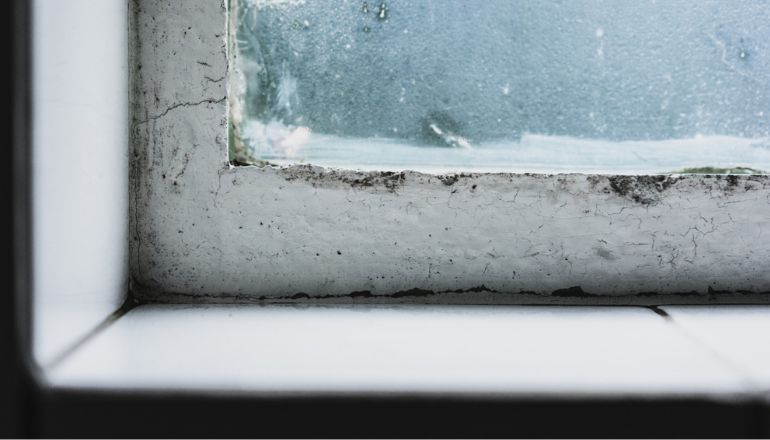
- Condensation: Moisture from condensation on cold surfaces, such as windows and pipes, can lead to mold. (dynamichomeinspections.com)
- Flooding: Water intrusion from flooding can saturate materials, leading to mold growth if not addressed promptly. (cleanwayrestore.com)
By identifying these causes, you can implement strategies to prevent and address mold in condo situations effectively.
High Indoor Humidity
High indoor humidity is a primary contributor to mold in condo environments. To effectively prevent mold growth, it’s essential to maintain indoor humidity levels between 30% and 50%. Utilizing dehumidifiers and air conditioners can help regulate moisture. Additionally, ensuring proper ventilation in moisture-prone areas, such as bathrooms and kitchens, is crucial. Promptly addressing leaks and repairing water damage further aids in controlling humidity and preventing mold. By implementing these measures, you can significantly reduce the risk of mold in condo spaces.
Leaky Plumbing and Roofs
Leaky plumbing and roofs are common culprits behind **mold in condo** units. Addressing these issues promptly is crucial to prevent mold growth. Regularly inspect plumbing systems and roofs for signs of leaks. If a leak is detected, repair it immediately to eliminate the moisture source. After repairs, ensure the affected area is thoroughly dried within 24-48 hours to prevent mold development. By proactively managing leaks, you can effectively **prevent mold in condo** units and maintain a healthy living environment.
Poor Ventilation
Poor ventilation in a condo can lead to excess moisture, creating an ideal environment for mold growth. To prevent this, ensure proper airflow by using exhaust fans in kitchens and bathrooms, opening windows when possible, and keeping interior doors open to promote air circulation. Additionally, consider using dehumidifiers in damp areas to maintain indoor humidity levels between 30-50%, which is optimal for preventing mold in condo environments.
Health Risks Associated with Mold in Condos
Exposure to mold in condo environments can lead to various health issues, particularly for sensitive individuals. Common health risks include:
- Allergic reactions: Symptoms such as sneezing, runny nose, itchy eyes, and skin rashes. (niehs.nih.gov)
- Respiratory problems: Coughing, wheezing, shortness of breath, and exacerbation of asthma symptoms. (niehs.nih.gov)
- Skin irritations: Redness, itching, and rashes upon contact with moldy surfaces. (niehs.nih.gov)
- Fatigue and headaches: Persistent tiredness and headaches may result from mold exposure. (niehs.nih.gov)
- Infections: Individuals with weakened immune systems are at risk of severe infections due to mold exposure. (cdc.gov)
To mitigate these health risks, it’s essential to address mold issues promptly and effectively.
Respiratory Issues
Exposure to mold in condo environments can lead to various respiratory issues, including coughing, wheezing, nasal congestion, and throat irritation. Individuals with asthma or other respiratory conditions may experience exacerbated symptoms. In severe cases, prolonged exposure can result in more serious health problems, such as hypersensitivity pneumonitis, a condition characterized by lung inflammation. To mitigate these risks, it’s essential to address mold promptly and maintain a dry, well-ventilated living space.
Allergic Reactions
Exposure to mold in condo environments can lead to various allergic reactions, particularly in sensitive individuals. Common symptoms include sneezing, runny nose, red eyes, and skin rashes. Inhaling or touching mold spores may trigger these responses, which can be immediate or delayed. Additionally, mold exposure can irritate the eyes, skin, nose, throat, and lungs of both mold-allergic and non-allergic individuals. To mitigate these health risks, it’s essential to address and prevent mold growth in your condo.
Structural Damage
Mold in condo units can lead to significant structural damage, compromising the building’s integrity. Moisture intrusion from leaks or inadequate ventilation creates an environment conducive to mold growth, which can deteriorate materials like wood, drywall, and insulation. This degradation may result in weakened walls, ceilings, and floors, posing safety risks to occupants. Addressing the root causes of moisture is essential to prevent mold-related structural issues.
How to Prevent Mold in Your Condo
To effectively prevent mold in condo, it’s essential to control moisture levels and ensure proper ventilation. Here are key steps to consider:
- Maintain low humidity: Keep indoor humidity below 50% to inhibit mold growth. Use dehumidifiers and air conditioners to help regulate moisture levels.
- Ensure proper ventilation: Use exhaust fans in kitchens and bathrooms to expel moisture. Open windows when weather permits to promote air circulation.
- Address leaks promptly: Repair any leaks in roofs, walls, or plumbing immediately to prevent water accumulation.
- Clean and dry wet areas: Wipe up spills and dry wet surfaces within 24–48 hours to prevent mold development.
- Use mold-resistant products: Consider adding mold inhibitors to paints and using mold-killing cleaners in bathrooms.
- Remove excess moisture sources: Avoid over-watering indoor plants and ensure that wet clothing and towels are dried promptly.
By implementing these measures, you can significantly reduce the risk of mold in condo and maintain a healthier living environment.
Control Indoor Humidity
Controlling indoor humidity is crucial in preventing mold in condo environments. Mold thrives in damp conditions, so maintaining a relative humidity between 30% and 50% is essential. Utilize dehumidifiers and air conditioners to regulate moisture levels effectively. Ensure proper ventilation by using exhaust fans in kitchens and bathrooms, and open windows when weather permits to promote air circulation. Promptly address any water leaks to eliminate potential moisture sources. By implementing these measures, you can significantly reduce the risk of mold growth in your condo.
Ensure Proper Ventilation
Proper ventilation is crucial in preventing mold in condo environments. By enhancing airflow, you can effectively reduce moisture levels, a primary factor in mold growth. Consider the following strategies:
- Use exhaust fans in bathrooms and kitchens to expel humid air during activities like showering and cooking. (army.mil)
- Open windows when weather permits to allow fresh air circulation, especially in high-humidity areas. (universityvillage.berkeley.edu)
- Maintain HVAC systems by cleaning filters regularly and ensuring unobstructed airflow to prevent moisture buildup. (hvac.com)
- Keep vents unblocked by arranging furniture and storage to allow air to flow freely, reducing damp spots conducive to mold. (odu.edu)
Implementing these ventilation practices can significantly decrease the risk of mold in condo spaces.
Regular Maintenance and Inspections
Regular maintenance and inspections are vital in preventing and addressing mold in condo. By proactively identifying and resolving issues, you can maintain a healthy living environment. Key practices include:
- Monitor humidity levels: Keep indoor humidity between 30-50% to deter mold growth. Use dehumidifiers in damp areas and ensure proper ventilation in kitchens and bathrooms.
- Inspect for leaks: Regularly check for plumbing leaks, roof issues, and condensation problems. Promptly repair any water intrusion to prevent moisture accumulation.
- Enhance ventilation: Ensure adequate airflow in all rooms, especially those prone to moisture. Use exhaust fans during cooking and bathing, and open windows when weather permits.
- Maintain HVAC systems: Clean and service heating, ventilation, and air conditioning systems regularly to prevent mold buildup within ducts and components.
- Address water damage swiftly: After flooding or leaks, dry affected areas within 24-48 hours to prevent mold growth. Remove and replace damaged materials as needed.
By incorporating these practices into your routine, you can effectively prevent mold in condo and ensure a safe, comfortable living space.
How to Get Rid of Mold in Your Condo
To effectively eliminate mold in condo units, it’s crucial to address both the visible growth and its underlying causes. Begin by identifying and eliminating moisture sources, as mold thrives in damp environments. Once moisture is controlled, proceed with the following steps:
- Clean hard surfaces with a mixture of water and detergent, scrubbing thoroughly to remove mold.
- Dry the cleaned areas completely to prevent mold recurrence.
- Dispose of contaminated materials that cannot be adequately cleaned, such as carpets or ceiling tiles.
- Monitor humidity levels to maintain indoor humidity below 50%, inhibiting mold growth.
For extensive mold issues or if health concerns arise, it’s advisable to consult a professional mold remediation service to ensure thorough and safe removal.
Cleaning Small Areas of Mold
To effectively clean small areas of mold in your condo, follow these steps:
- Protect Yourself: Wear waterproof gloves, goggles, and a mask to prevent exposure to mold spores.
- Clean Hard Surfaces: Scrub mold off hard surfaces with a mixture of dish soap and water.
- Dry Thoroughly: Ensure all cleaned areas are completely dry to prevent mold recurrence.
- Dispose of Contaminated Materials: Throw away moldy materials that are difficult to clean, such as drywall, carpet, or insulation.
- Avoid Covering Mold: Do not paint or caulk over mold; clean and dry the surface first.
Remember, addressing the underlying moisture issue is crucial to prevent mold from returning.
When to Seek Professional Help
If you notice significant mold growth, especially in areas exceeding 10 square feet, it’s advisable to seek professional assistance. (mass.gov) Additionally, if mold persists despite your cleaning efforts, it may indicate an underlying issue requiring expert intervention. Professional mold remediation ensures thorough removal and addresses the root causes, preventing future occurrences. Prompt action is crucial to maintain a healthy living environment and protect your condo from potential structural damage.
Conclusion: Act Fast to Protect Your Health and Property
In conclusion, addressing mold in condo requires a proactive approach to moisture control, regular inspections, and prompt remediation. By maintaining optimal humidity levels, repairing leaks swiftly, and ensuring proper ventilation, you can significantly reduce the risk of mold growth. Remember, early detection and action are crucial in preventing extensive damage and health issues. Stay vigilant and take immediate steps if you notice signs of mold to protect your living environment.
Frequently Asked Questions
What causes mold in a condo?
Mold in a condo is primarily caused by excess moisture, which can result from plumbing leaks, roof leaks, or condensation due to poor ventilation. Identifying and addressing the source of moisture is crucial to prevent mold growth.
How can I prevent mold growth in my condo?
To prevent mold, maintain indoor humidity between 30-50%, promptly repair any water leaks, and ensure proper ventilation, especially in high-moisture areas like bathrooms and kitchens. Regularly cleaning and drying these areas can also help deter mold.
Is it safe to clean small mold patches myself?
For small mold areas (less than 10 square feet), you can clean them yourself using water and detergent. Wear protective gear, such as gloves and an N95 mask, and ensure the area is well-ventilated during cleaning.
When should I seek professional help for mold removal?
If mold covers more than 10 square feet, persists after cleaning, or is caused by significant water damage, it’s advisable to consult a professional mold remediation specialist to ensure thorough and safe removal.
How can I protect my condo from future mold issues?
Regularly inspect your condo for signs of moisture, maintain proper ventilation, and address any water leaks immediately. Using dehumidifiers in damp areas and ensuring your HVAC system is well-maintained can also help prevent future mold problems.